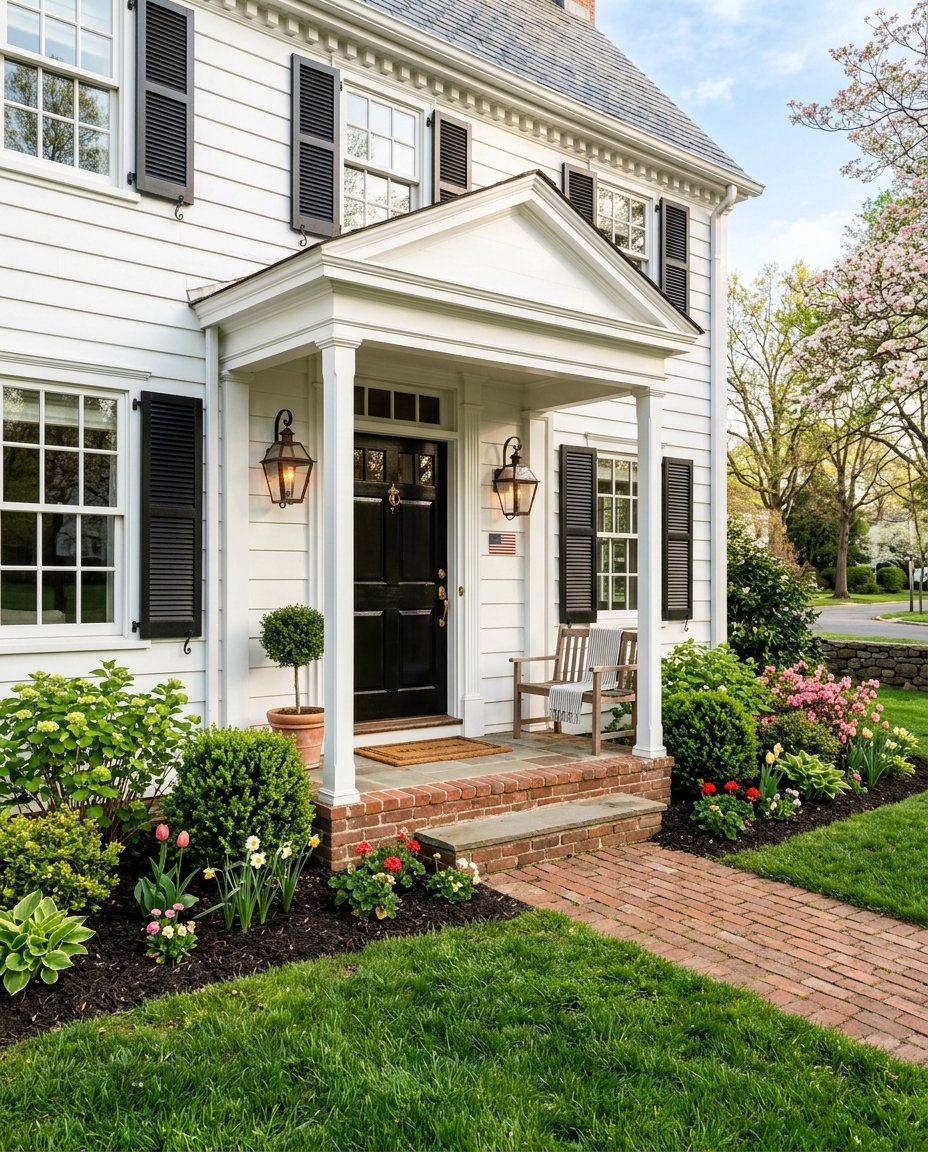
Wondering how much you should update before selling a historic home in Leesburg? It is a smart question, because buyers are often drawn to charm and character, but they also notice condition, maintenance needs, and overall presentation right away. If you want to protect your home’s historic appeal while still preparing it for a strong sale, this guide will walk you through what to check first, where to focus your effort, and how to avoid common pre-list mistakes. Let’s dive in.
Start With Leesburg Historic Rules
If your home is in Leesburg’s Old & Historic District, exterior work may require approval before anything begins. The Town’s H-1 overlay district is separate from your underlying zoning, and exterior changes generally require a Certificate of Appropriateness.
That review process matters most when you are thinking about visible exterior updates before listing. More significant projects are handled by the Board of Architectural Review, while some smaller items can be approved administratively.
Know What May Need Review
According to the Town of Leesburg, items that may be approved administratively include paint color changes, storm windows and doors, shutters, lighting, in-kind roof replacements, residential walkways, most signs, and low landscape walls. Landscaping and general maintenance or repairs done in-kind are not reviewed.
That distinction can save you time and stress. If you are unsure whether your planned work needs approval, it is best to check with Town preservation staff before scheduling contractors or setting your listing timeline.
Understand What Counts as Local Regulation
Many homeowners hear terms like National Register or Virginia Landmarks Register and assume those designations control what they can do. In Leesburg, the Town says those designations are honorary and do not create local regulation.
The local Old & Historic District overlay is what drives review in town. That is an important point if you are planning pre-sale improvements and trying to stay on schedule.
Focus on Presentation Before Projects
Leesburg remains an active market. Recent data cited by Redfin showed a median sale price of $700,000 over the three months ending May 2026, about three offers per home, and a median of 28 days on market, while Realtor.com described Leesburg as a seller’s market in June 2026 with a median of 23 days on market and a 100% sale-to-list ratio.
Even in a seller-leaning market, presentation still matters. Buyers may move quickly, but they are still comparing which homes feel cared for, visually polished, and easier to move into.
Staging Helps Buyers Picture the Home
The National Association of Realtors reported in 2025 that 83% of buyers’ agents said staging made it easier for buyers to visualize a future home. More than a quarter said staged homes achieved 1% to 10% more in offered dollar value, and about half of sellers’ agents said staging reduced time on market.
For a historic Leesburg home, staging is not about covering up the home’s age or turning it into something it is not. It is about helping buyers notice the details that make the property memorable.
Let Historic Character Stand Out
In many older homes, the real stars are already there. Original trim, built-ins, fireplaces, staircases, millwork, and other period details often create the emotional connection buyers remember after a showing.
Your goal is to make those features easier to see. That usually means simplifying each room, reducing personal items, and avoiding heavy decor that distracts from the home itself.
Prioritize Simple Pre-Listing Updates
Before you take on bigger work, start with the cosmetic steps that usually give the clearest return in presentation. NAR’s staging guidance emphasizes decluttering and styling over remodeling.
That approach is especially helpful for historic homes, where over-improving or rushing into major changes can create extra cost, delays, or preservation concerns.
Best First Steps Before Listing
Consider focusing on:
- Clearing excess furniture so rooms feel larger and architectural details are easier to notice
- Removing personal photos and highly specific decor
- Keeping closets about half full to show usable storage
- Touching up paint where needed with neutral, low-distraction colors
- Refreshing the entry with a clean mat, tidy landscaping, and simple potted plants
- Making sure key rooms like the living room, primary bedroom, and dining room are especially clean and well styled
These steps help buyers focus on space, light, and character instead of maintenance questions or visual clutter.
Be Careful With Exterior Changes
Historic homes often need some exterior attention before they hit the market, but this is where sellers should slow down. A fast pre-list project can create problems if it affects historic materials or triggers review.
Leesburg’s preservation guidance notes that the Town does not keep a list of required contractors, approved contractors, or required paint colors or materials. Staff can help owners choose appropriate options, and each Certificate of Appropriateness is judged in the context of the structure’s age, style, and setting.
Repair Before You Replace
For historic features, repair is often the better first question. National Park Service guidance on historic windows recommends repairing deteriorated historic features when possible rather than replacing them outright.
That can include steps like caulking, weatherstripping, glazing-compound repair, and adding storm windows before considering full replacement. The same guidance notes that storm windows can improve thermal performance while preserving historic character.
Use Preservation-Minded Help for Bigger Work
If you are considering larger exterior alterations or a more extensive pre-sale rehab, choose your team carefully. National Park Service rehabilitation standards emphasize that new additions or exterior alterations should not destroy historic materials or character-defining features and should remain compatible in size, scale, proportion, and massing.
In practical terms, that means there is a big difference between cleaning up a property for sale and launching a major redesign. If the work goes beyond routine cosmetic prep, it is wise to involve preservation staff early and use contractors who understand older homes.
Build a Smart Historic Home Sale Timeline
One of the biggest mistakes sellers make is treating a historic home like any other listing. A standard house may be ready after a few quick repairs and staging, while a historic property may need more planning if exterior work is involved.
A better timeline starts with questions, not tools. Confirm whether the property is in the local historic overlay, identify what work is purely cosmetic, and separate those items from anything that may require Town review.
A Practical Pre-List Sequence
Here is a simple order to follow:
- Confirm whether your home is in Leesburg’s Old & Historic District.
- Identify any exterior work you are considering.
- Check with Town preservation staff before starting anything that may need review.
- Complete maintenance and in-kind repairs where appropriate.
- Declutter and stage the home to highlight its best original features.
- Schedule professional photography once the home is fully prepared.
- Launch with pricing and marketing that match current Leesburg conditions.
This kind of organized plan helps you avoid spending money in the wrong places and keeps your listing timeline realistic.
Use Photography to Tell the Right Story
For most buyers, the first showing happens online. That is true for any home, but it matters even more for a historic property, where details, atmosphere, and craftsmanship need to come through clearly in photos.
NAR’s consumer marketing guidance notes that professional photography is a key part of marketing a home. For a distinctive Leesburg property, strong visuals can help buyers appreciate both the historic charm and the current livability of the home.
Keep Marketing Accurate
If virtual staging or photo enhancements are used, NAR says material changes should be disclosed. That is especially important with historic homes, because buyers need a clear sense of what is original, what has been updated, and what is only a digital illustration.
Accurate marketing builds trust. It also helps attract buyers who truly understand the home and are more likely to value what makes it special.
Consider Tax Credit Questions Carefully
If you are thinking about a larger rehabilitation before selling, there may be tax-credit considerations worth exploring. The Virginia Department of Historic Resources administers Virginia’s Historic Rehabilitation Credit, and Virginia Tax describes the credit as 25% of eligible expenses for qualifying projects.
Not every repair or update will qualify. If this is part of your planning, verify eligibility before building your budget around it.
Selling a Historic Leesburg Home With Confidence
Preparing a historic Leesburg home for sale is really about balance. You want to preserve the features that give the home its identity, while also making it feel clean, cared for, and easy for buyers to understand.
The right plan usually starts with local rule checks, moves into smart cosmetic prep, and ends with polished marketing that showcases the home honestly. If you want expert guidance on timing, presentation, and a local strategy for your sale, Melody Visser can help you create a thoughtful plan that fits your home and your goals.
FAQs
What should you check before updating a historic home in Leesburg?
- First, check whether the home is in Leesburg’s Old & Historic District and whether any planned exterior work may require a Certificate of Appropriateness before work begins.
Do all repairs on a historic Leesburg home need Town approval?
- No. The Town says landscaping and general maintenance or repairs done in-kind are not reviewed, while some smaller exterior items may qualify for administrative approval.
Does staging really help when selling a historic home in Leesburg?
- Yes. NAR’s 2025 staging research found that staging helps buyers visualize a future home, can support stronger offers, and may reduce time on market.
Should you replace old windows before selling a historic home?
- Not always. National Park Service guidance says historic windows should be repaired rather than replaced when possible, using options like caulking, weatherstripping, glazing repair, and storm windows first.
Are National Register properties regulated the same way as Leesburg’s local historic district?
- No. The Town says National Register and Virginia Landmarks Register designations are honorary, while the local Old & Historic District overlay is what drives review in Leesburg.
Can a seller get a tax credit for renovating a historic Virginia home before listing?
- Possibly. Virginia’s Historic Rehabilitation Credit may apply to qualifying projects, and the credit is described by Virginia Tax as 25% of eligible expenses, but eligibility should be verified before budgeting around it.