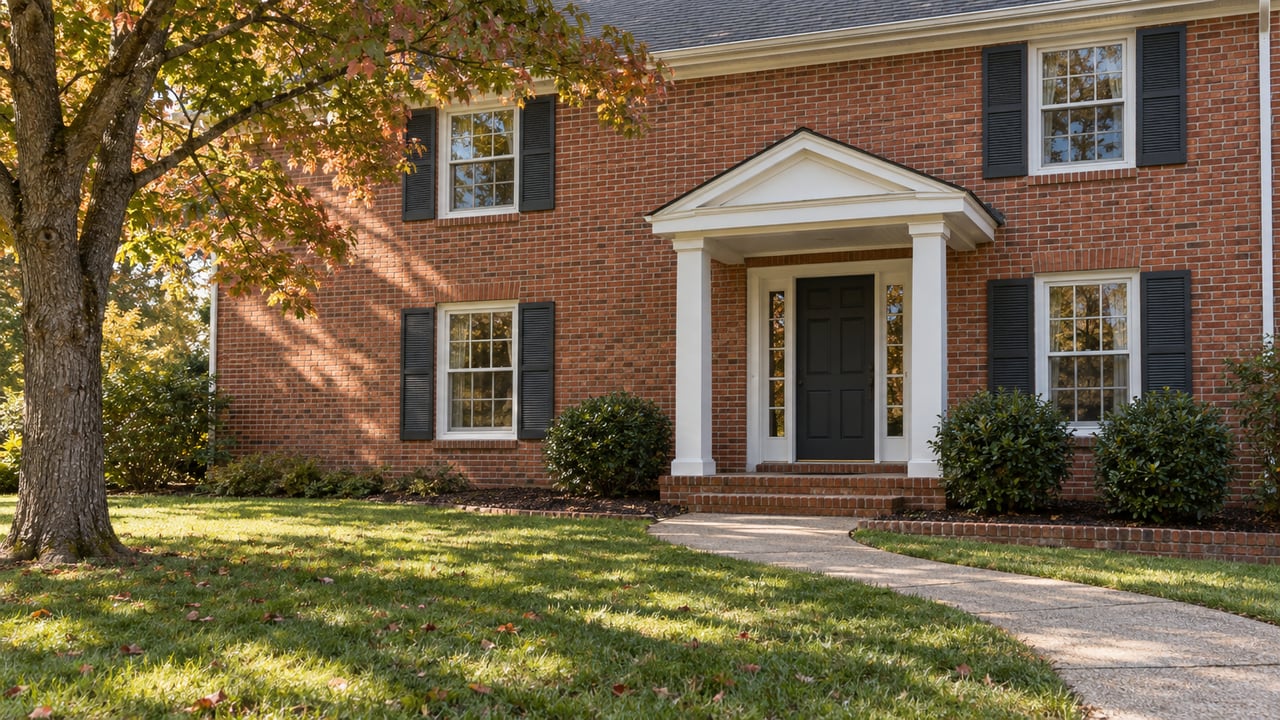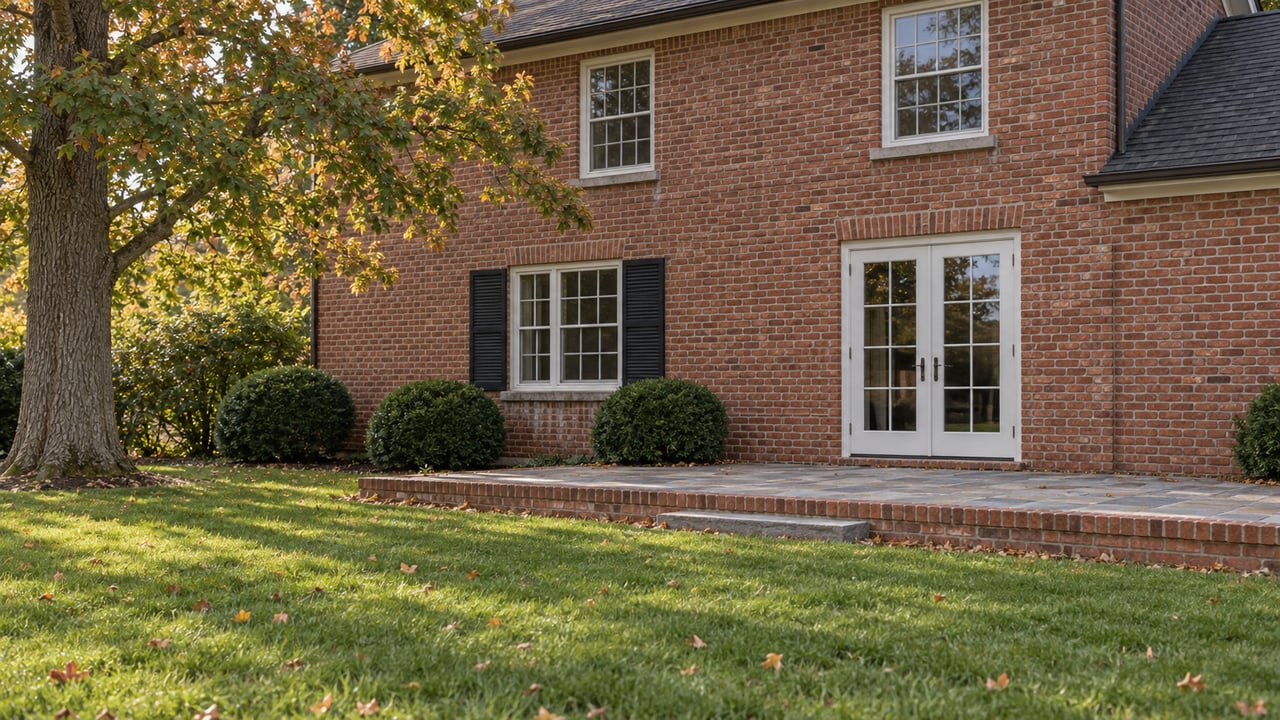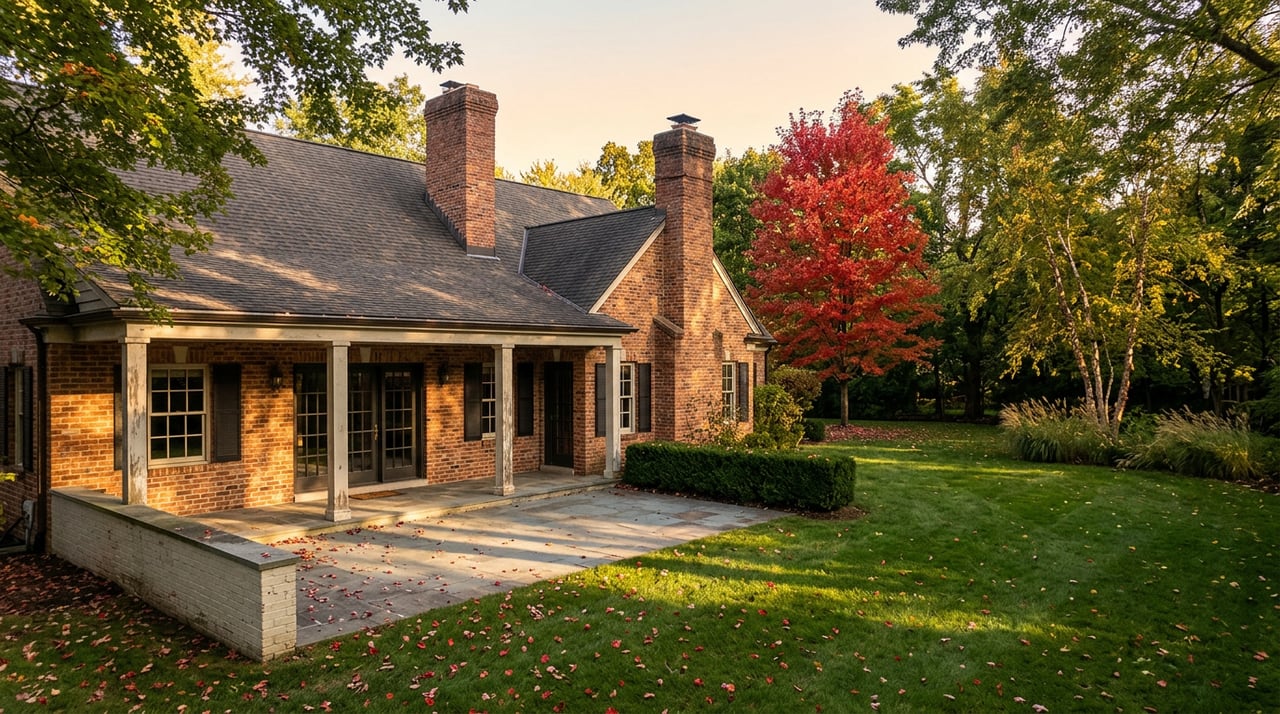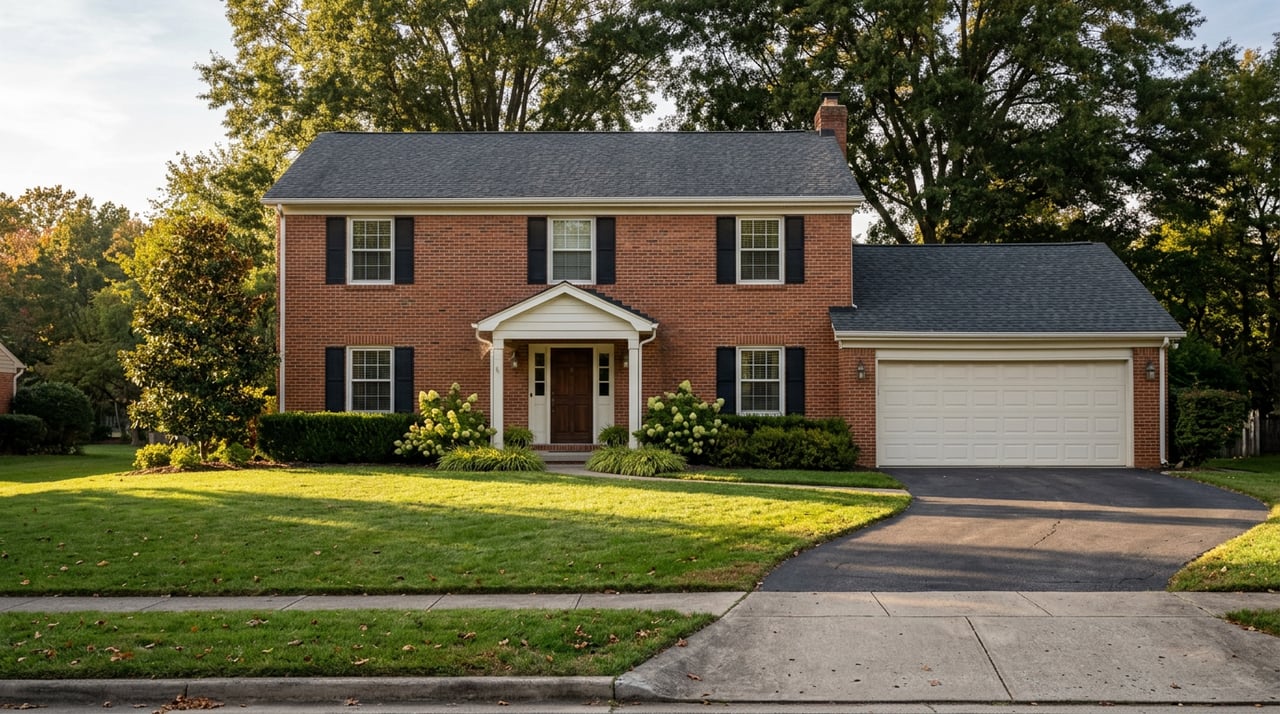
Choosing a Leesburg neighborhood can feel simple until you realize how much can change from one area to the next. In just a few miles, you can go from historic streets and older architecture to mixed-use centers, established suburban neighborhoods, and planned communities with different housing types and open space. If you want a smarter way to compare your options, this guide will help you focus on the factors that matter most in Leesburg so you can narrow your search with confidence. Let’s dive in.
Start With How You Live
Leesburg offers a wide range of housing, from downtown apartments and condos to townhomes and large estate homes, according to the Town of Leesburg housing overview. That variety is a big advantage, but it also means your best-fit neighborhood depends on your daily routine.
When you compare neighborhoods, start with four practical factors: home style and age, walkability to shopping and dining, access to parks and trails, and commute convenience. In Leesburg, those variables often shape how a neighborhood feels more than the zip code alone.
Compare Areas by Neighborhood Type
Historic Core Areas
If you are drawn to older architecture and a true downtown setting, the historic core is the clearest place to start. Leesburg was founded in 1758, and the original street grid around King, Market, North, and Cornwall streets still exists, according to the town’s historic walking-tour page.
The Old & Historic District includes a local overlay district designed to preserve historic character. That matters if you are comparing homes here with homes elsewhere in town, because exterior changes in the district require a Certificate of Appropriateness. If historic charm is high on your list and you are comfortable with added review for exterior updates, this area may be a strong match.
The town is also conducting a historic district architectural survey that documents styles, approximate ages, and exterior features. For buyers, that reinforces what makes this part of Leesburg distinct: older homes, established streets, and architecture that carries more visible history.
Walkable Mixed-Use Areas
If your priority is convenience, newer housing options, or easier errands on foot, walkable mixed-use areas deserve close attention. The Crescent Design District is planned to feel more urban, with grid streets, buildings closer to the road, and parking screened or placed behind buildings.
That district continues to evolve. The revised Crescent District Master Plan was adopted on January 14, 2025, with updates related to land uses, building heights, architecture, opportunity sites, and housing goals. If you want an area shaped by more recent planning and denser development patterns, this is an important part of town to watch.
The Eastern Gateway planning document also points to Village at Leesburg as an established mixed-use center, with new residential development approved nearby. Downtown-adjacent infill is moving in that direction too, including the Church and Market project, which added up to 167 apartments with ground-floor commercial space. In practical terms, these areas may appeal to you if you want walkability, attached housing, or a more connected live-work-errand setup.
Established Suburban Neighborhoods
If you picture a more traditional suburban setting, established neighborhoods are often the better starting point. The town’s curbside collection map and service areas offer a helpful snapshot of residential areas across town.
Inside the bypass in the northeast, the town identifies neighborhoods such as Carnaby Square, Carrvale, Cedar Walk, Exeter, Loudoun Hills, and Lowenbach. Outside the bypass in the northeast, neighborhoods include Edwards Landing, Potomac Crossing, Potomac Station, River Pointe, and Sycamore Hills, while Meadowbrook Farm is in the southwest collection area.
These names matter less as labels and more as clues to neighborhood pattern. If you want detached homes and a more traditional suburban feel, the research suggests established neighborhoods outside the bypass are often a strong place to begin.
Planned Communities
Some buyers want a neighborhood with a more intentionally designed layout, shared open space, or a broader mix of housing types. Leesburg’s zoning code distinguishes between Planned Residential Neighborhood districts and Planned Residential Community districts, and that difference can help you compare options more clearly.
According to the town zoning code, Planned Residential Neighborhood districts are meant to encourage a mix of housing types and price ranges with common open space. Planned Residential Community districts are intended to create more self-sufficient communities organized around mixed-use centers, employment, community facilities, and high-density residential uses.
If you are comparing larger neighborhood developments, this framework can help you ask better questions about layout, density, and nearby services. It is also useful for buyers who want a community feel without relying only on age or home size as the main filter.
Use Route 15 as a Comparison Tool
One of the smartest ways to compare Leesburg neighborhoods is to look at where they sit in relation to the Route 15 Bypass. The town identifies the bypass as a major commuter route, and it also notes that it separates residential areas inside the bypass from commercial development outside it, according to the Route 15 Bypass and Edwards Ferry Road interchange project page.
That has real day-to-day impact. When you compare neighborhoods, think about how often you will cross east to west, how close you want to be to shopping, and whether quick access to major roads matters for your work schedule.
For some buyers, living inside the bypass may support easier access to downtown and older residential areas. For others, being outside the bypass may better match a preference for suburban neighborhoods with easier access to retail centers or commuter routes. The right answer depends on your routine, not a one-size-fits-all ranking.
Look Closely at Home Style and Age
Home style and age are often the fastest way to narrow your search. Leesburg’s historic areas tend to appeal to buyers who value older architecture and established character, while mixed-use planning in newer growth areas tends to favor attached housing, apartments, and more urban-format development.
That distinction can save you time. If you know you want a detached home in a traditional suburban setting, start with established neighborhoods, especially those outside the bypass. If you are open to newer, denser, or more walkable housing, focus on the Crescent, Village at Leesburg, and downtown-adjacent infill areas.
This is especially useful if you are moving within Northern Virginia and want to avoid touring homes that do not fit your lifestyle. A clear filter upfront makes your search much more efficient.
Compare Parks and Trail Access
Neighborhood feel is not only about homes. Access to parks, trails, and everyday outdoor space can make a big difference in how an area works for you.
Leesburg maintains 18 parks and about 400 acres of parkland. Ida Lee Park is the town’s signature park, while Tuscarora Creek Park offers walking trails, a wooded setting, and access to the W&OD Trail.
The town also notes that its bike trail network connects more than 10 miles of shared-use paths and bike routes to the W&OD Trail. If outdoor access is part of your weekly routine, compare neighborhoods by how easily you can reach these park and trail systems instead of only comparing square footage or price.
Check Shopping and Daily Convenience
For many buyers, convenience is what turns a good neighborhood into the right one. Official town records identify several retail centers, including Market Station downtown, Battlefield Marketplace, Potomac Station Shopping Center, Exeter Neighborhood Center, Village at Leesburg, and Leesburg Premium Outlets.
Downtown is also described by the town as having a robust mix of shops and restaurants. So if you want a neighborhood where dining, errands, and local businesses are part of daily life, compare how close each area is to downtown or one of these major retail centers.
This is where side-by-side neighborhood tours can be especially helpful. Two homes may seem similar online, but one may place you much closer to the errands and routines that matter most.
Factor In Transit and Commuting
Commute patterns can quickly shape how you feel about a neighborhood after move-in. Downtown Leesburg is described by the town as easily accessible from the north, south, east, and west via Route 7, US 15, and the Dulles Greenway, based on the town’s directions and parking information.
Loudoun County Transit adds another layer of comparison. The county provides free local bus routes and commuter bus options, including service from the Leesburg Park and Ride on Sycolin Road to West Falls Church, Rosslyn, the Pentagon, and Washington, D.C. There is also fare-free Transit on Demand within a defined Leesburg zone.
Local routes can also hint at how different areas connect. Route 55 serves Exeter, Tuscarora, and Compass Creek. Route 56 serves Rust, Ida Lee, and Miller Drive. Route 57 serves Village at Leesburg, the Shenandoah Building, and Leesburg Premium Outlets. If you are comparing neighborhoods with a commuter mindset, this is a practical detail worth checking.
A Simple Way To Narrow Your Search
If you are feeling stuck, use this checklist to compare Leesburg neighborhoods more clearly:
- Historic character: Do you want older homes and preserved architecture?
- Exterior flexibility: Are you comfortable with additional review in the historic district?
- Housing style: Do you prefer apartments, townhomes, or detached homes?
- Walkability: Do you want shopping, dining, or errands close by?
- Park access: Will trails, green space, or bike routes shape your routine?
- Retail convenience: How close do you want to be to major shopping areas?
- Commute flow: How often will you use Route 15, Route 7, or the Dulles Greenway?
- Transit options: Would local bus service or park-and-ride access help your schedule?
When you compare neighborhoods through this lens, your decision usually becomes much clearer. Instead of asking which area is “best,” you can focus on which area fits the way you actually live.
Every move comes with trade-offs, but local context makes those trade-offs easier to understand. If you want help comparing Leesburg neighborhoods based on your commute, home style, and day-to-day priorities, Melody Visser can help you build a focused plan and tour the areas that make the most sense for your next move.
FAQs
Which Leesburg neighborhoods feel the most historic?
- The historic core around the original downtown street grid is the clearest match if you want older architecture and preserved character, especially within the Old & Historic District.
Which Leesburg areas are most walkable for errands?
- Downtown Leesburg, the Crescent Design District, and areas near Village at Leesburg are the strongest places to compare if walkability and mixed-use convenience are priorities.
Which Leesburg neighborhoods are best for parks and trails?
- Neighborhoods near Ida Lee Park, Tuscarora Creek Park, and the town’s bike trail network are worth a close look if you want regular access to parks, trails, and the W&OD Trail.
How does Route 15 affect choosing a Leesburg neighborhood?
- Route 15 is a major commuter route and a useful dividing line when comparing access to downtown, shopping areas, and east-west travel across town.
What should buyers know about Leesburg historic district rules?
- Homes in the Old & Historic District may be subject to exterior-review requirements, including a Certificate of Appropriateness for certain exterior changes.