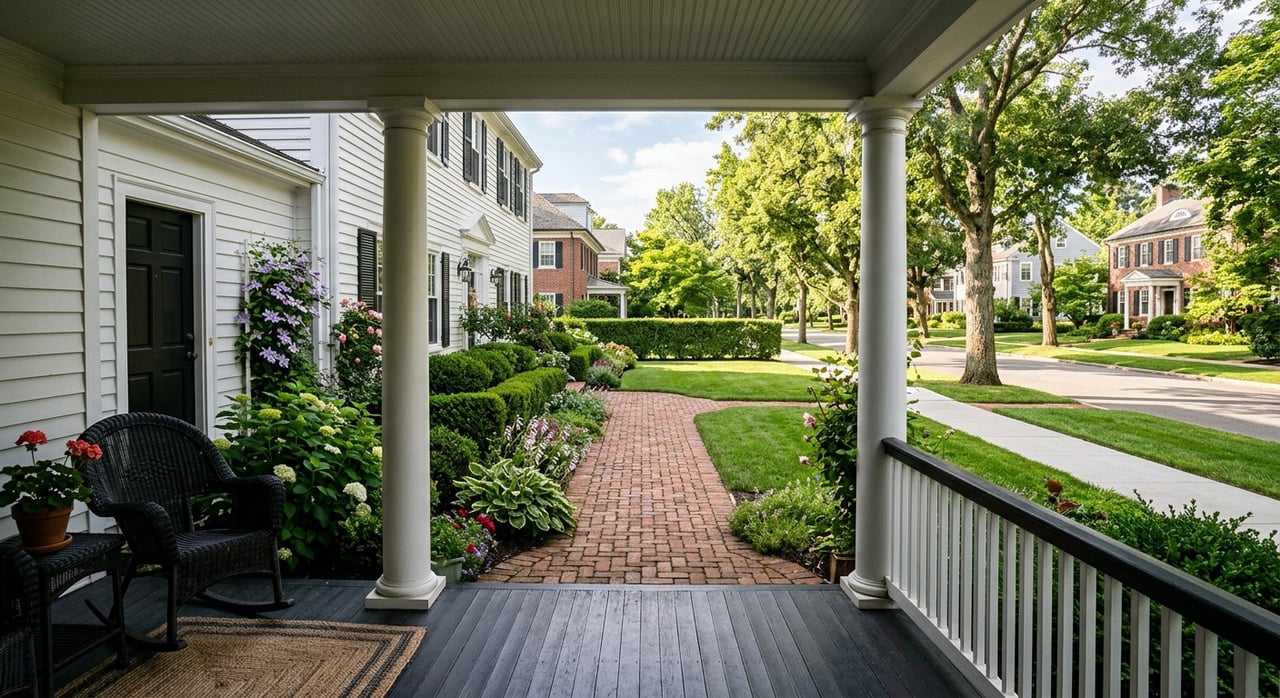
If you’re drawn to Leesburg, the hard part usually is not choosing the town itself. It’s choosing how you want to live in it. Do you want the charm and convenience of in-town living, or the space and flexibility that often come with a more suburban setting? This guide will help you weigh the real tradeoffs so you can choose the part of Leesburg that fits your routine, priorities, and next chapter. Let’s dive in.
Why This Choice Matters in Leesburg
Leesburg gives you two very different living experiences within one town. It is an incorporated town in Loudoun County, about 35 miles from Washington, D.C., with an estimated 2025 population of about 49,917. About 68.9% of housing units are owner-occupied, which reflects a strong base of long-term homeowners.
For many buyers, the question is less about whether Leesburg works and more about which version of Leesburg feels right. One side leans toward a historic, walkable, mixed-use core. The other leans toward lower-density neighborhoods with more room between homes.
What In-Town Leesburg Feels Like
In-town Leesburg centers around the historic core and nearby mixed-use areas. The Old and Historic District, created in 1963, is designed to preserve historic character. The Gateway District, adopted in 2020, adds a more flexible overlay along key approaches to downtown, though it does not apply to single-family detached houses.
Downtown’s B-1 Community Business District is the town’s mixed-use core. Residential uses, typically above ground-floor retail, are primary uses there. The Crescent Design District extends that downtown-style pattern farther into town with grid streets, buildings closer to the road, and parking placed behind or screened from view.
The result is a more compact environment. Zoning minimums in these areas include 2,000-square-foot interior lots for attached housing, 4,000-square-foot detached lots, and 10,000-square-foot minimums for multifamily in B-1. Those numbers do not predict every home site, but they do show the smaller-scale feel buyers often notice in and near downtown.
In-Town Advantages
If you like being near daily amenities, in-town Leesburg has a lot to offer. The town describes Historic Downtown as having brick sidewalks, well-preserved historic buildings, and unique shops and restaurants. Recent downtown improvements also added widened sidewalks, traffic calming, and landscaping and hardscape features.
That means your day can feel more connected and convenient. Running errands, meeting friends, or enjoying a meal may take less planning when more destinations are close together.
In-Town Considerations
The historic-core lifestyle comes with more rules around exterior changes. In the Old and Historic District, exterior alterations require Certificates of Appropriateness, and larger projects may go before the Board of Architectural Review. The district does not regulate use, parking, or lot coverage, but it does regulate exterior appearance.
For some buyers, that structure helps protect the setting they value. For others, it can feel limiting if they want broad flexibility for additions, window changes, fences, or other visible updates.
Parking is also part of the equation. Some residential areas near downtown are designated as residential permit parking zones, and about 70 on-street spaces downtown are managed through ParkMobile. If easy parking for multiple vehicles matters to you, this is worth thinking through early.
What Suburban Leesburg Feels Like
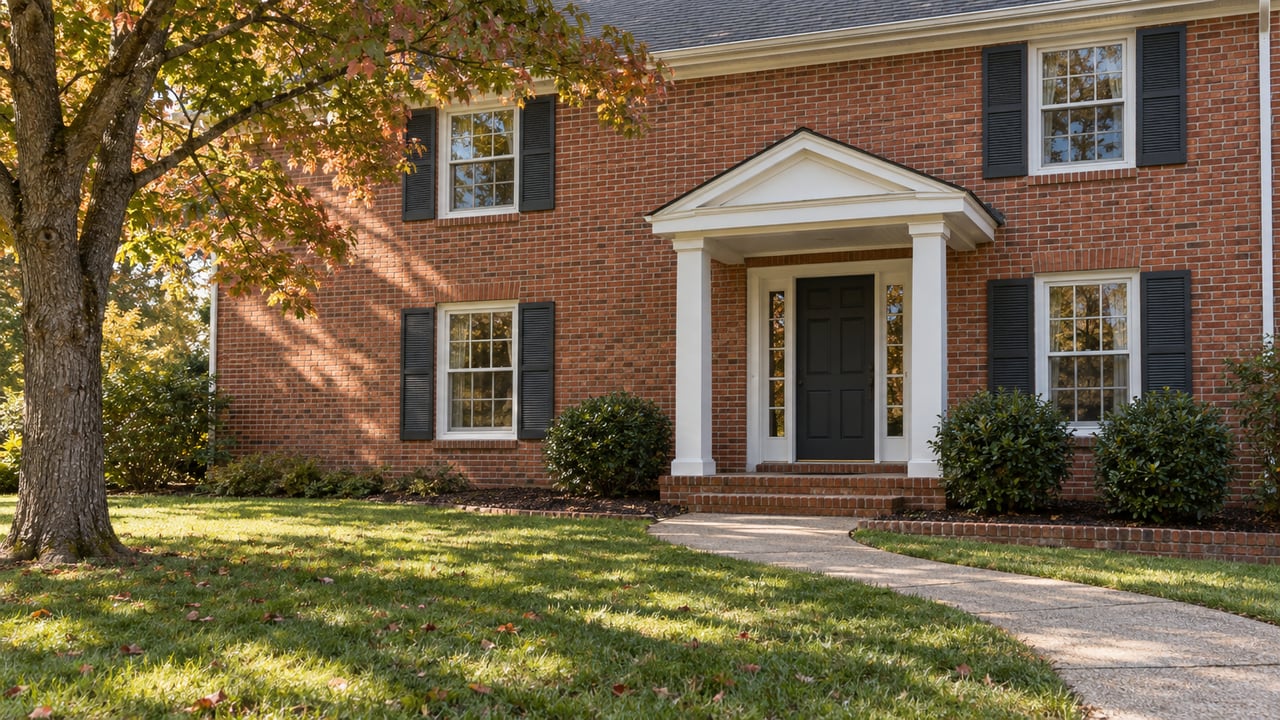
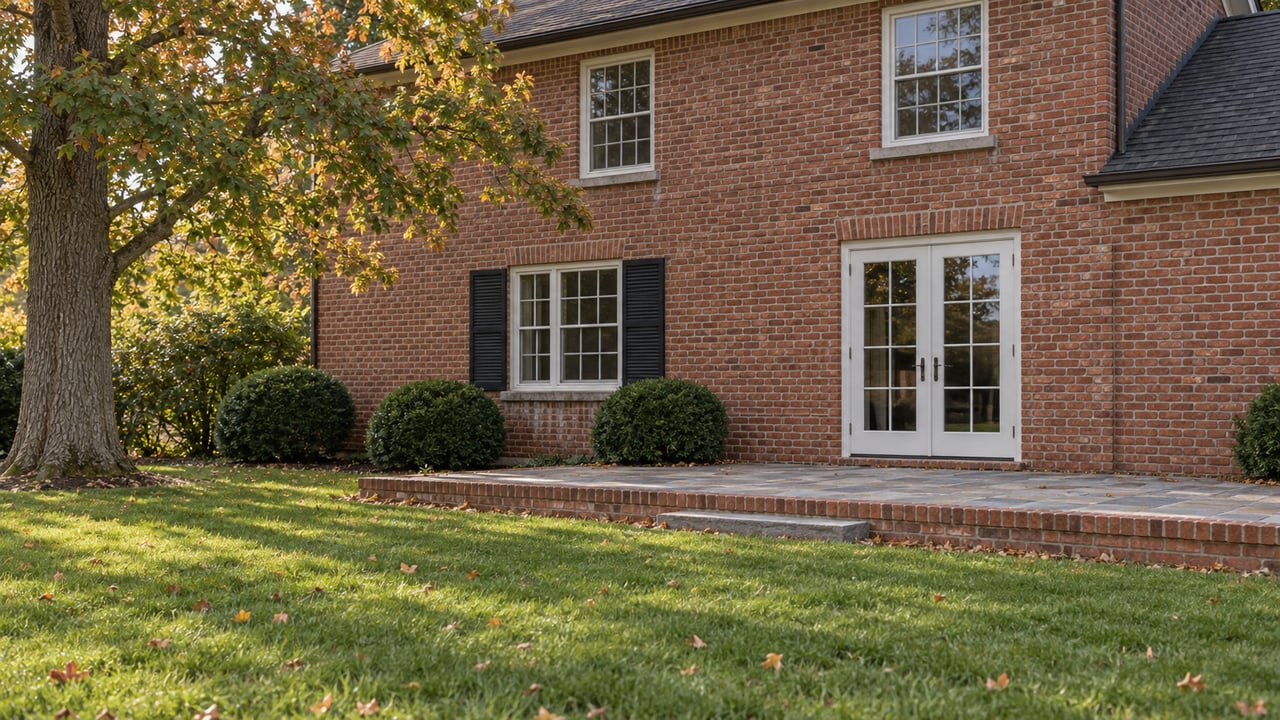
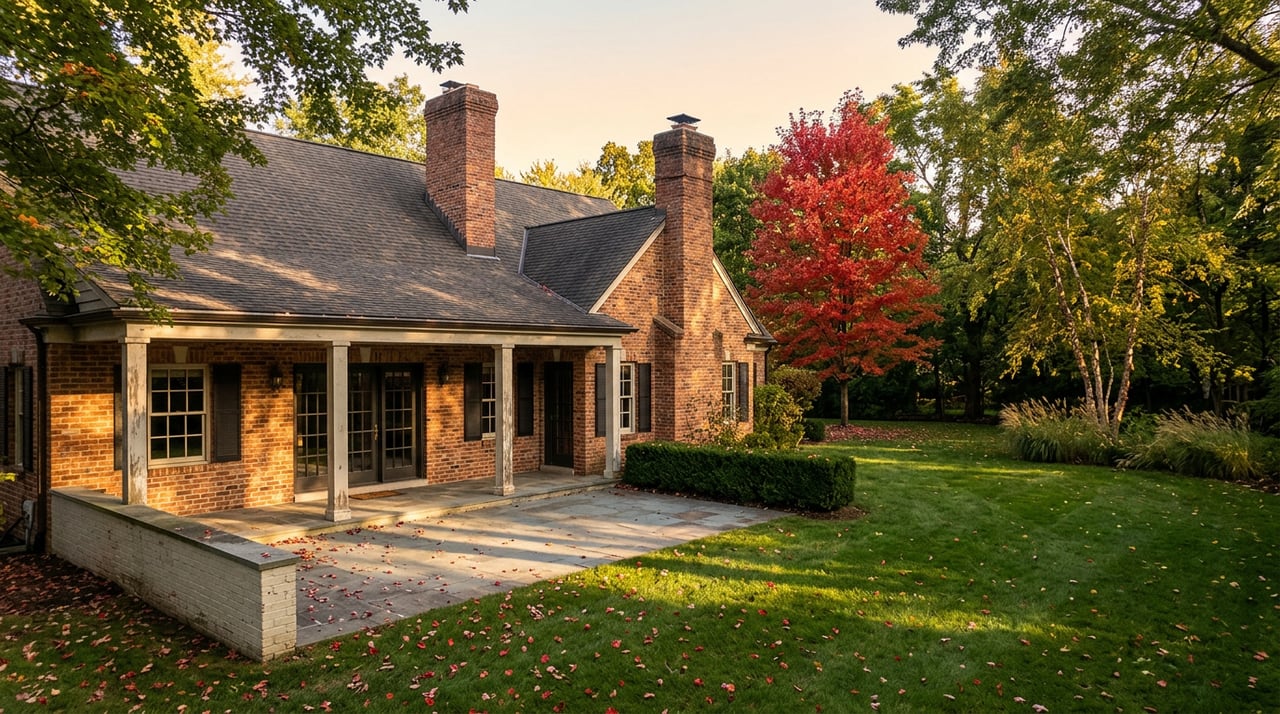
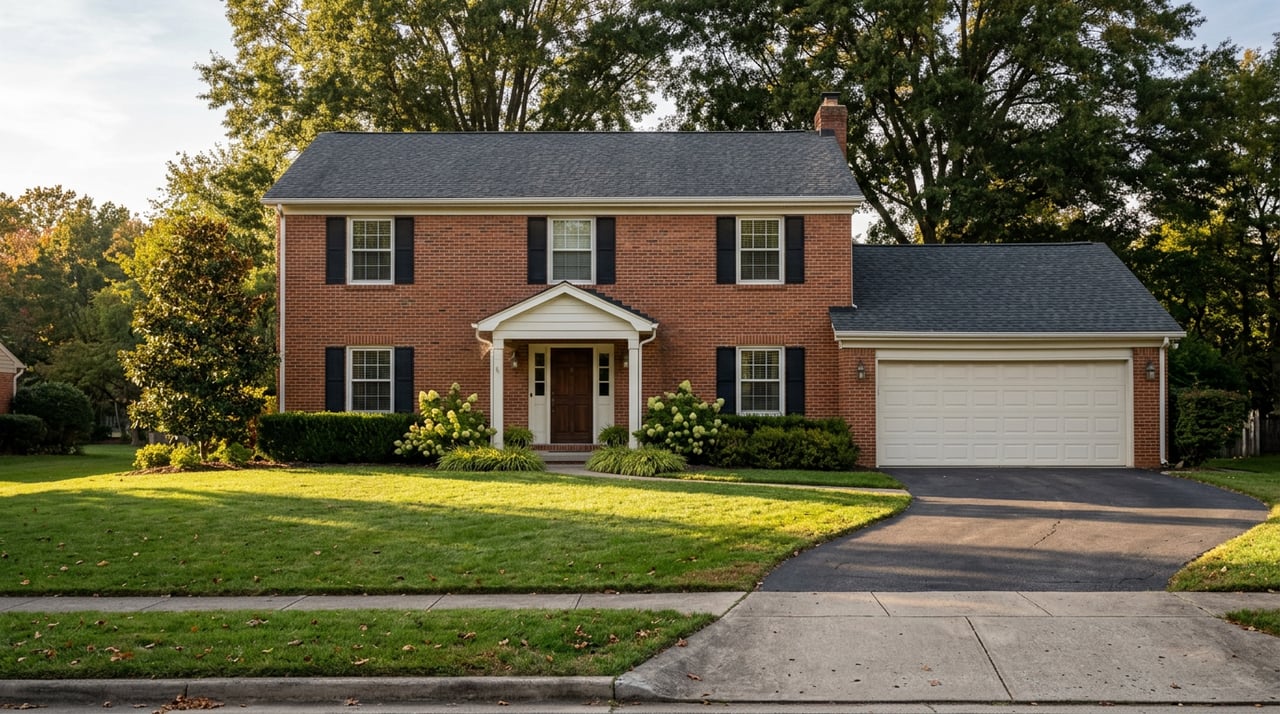
Suburban Leesburg is generally defined by lower-density residential neighborhoods. You will usually find more detached homes, larger yards, and greater separation between houses. The feel is less centered on a compact main street and more centered on residential space.
The zoning code shows that range clearly. Detached-home districts include minimum lot areas from 20,000 square feet in R-2 and 10,000 square feet in R-4 to 6,500 square feet in R-6 and 4,000 square feet in R-HD. Duplexes, townhouses, and multifamily are allowed in selected districts, but the overall pattern is still more space-oriented than downtown.
Suburban Advantages
If space is high on your list, suburban Leesburg will likely feel more comfortable. More land per home often means more room for yards, driveways, and outdoor use. It can also create more breathing room between homes and a quieter residential rhythm.
This setting can be especially appealing if you want a detached home, need room for multiple vehicles, or simply prefer a more conventional neighborhood layout. You may also find fewer historic-overlay constraints compared with the in-town core.
Suburban Considerations
The tradeoff is usually convenience by foot. You can still enjoy many of Leesburg’s amenities, but you may reach them by a short drive instead of a short walk. If your ideal day includes stepping out the door and heading straight to downtown destinations, suburban areas may feel less immediate.
That said, suburban does not mean disconnected. Leesburg has a strong recreation network, with over eight miles of trails, a designated bike trail network exceeding 10 miles, 138-acre Ida Lee Park, and access to the W&OD Trail. Ball’s Bluff Battlefield Regional Park adds more than seven miles of trails.
Compare Your Daily Routine
The best choice often comes down to how you actually live. Instead of starting with house style alone, start with your weekday habits, parking needs, and commute pattern.
Choose In-Town If You Value Convenience
In-town Leesburg may fit you best if your priorities include:
- A historic setting and established character
- More pedestrian access to restaurants and shops
- A compact layout for errands and outings
- Proximity to downtown-style streets and mixed-use areas
- Comfort with exterior-review rules and tighter parking conditions
This option tends to work well for buyers who want character and convenience to shape daily life.
Choose Suburban If You Value Space
Suburban Leesburg may fit you best if your priorities include:
- A larger or more flexible lot
- More detached-home options
- More room for yards, driveways, or outdoor use
- Fewer historic-overlay constraints
- A layout that supports multiple vehicles or a more car-based routine
This option tends to work well for buyers who want space and flexibility to lead the decision.
Think About Your Commute
Commute habits can tip the scale quickly. Leesburg is about 35 miles from Washington, D.C., and Loudoun County Transit offers commuter buses to Rosslyn, Crystal City, the Pentagon, and Washington, D.C. Local bus service also connects Purcellville, Leesburg, and eastern Loudoun, with some Silver Line connections.
The Town of Leesburg also offers Transit On Demand within town on weekdays from 7:00 a.m. to 7:00 p.m. If you want errands and transit access to feel more compact, looking closer to downtown and transit corridors may make sense.
If you drive most places and want easier parking or more outdoor space, suburban neighborhoods may be the better fit. This is not a hard rule, but it is a practical way to match your home search with your real routine.
Questions to Ask Before You Decide
Before you narrow your search, ask yourself these simple questions:
- Do you want to walk to shops and restaurants often, or just occasionally?
- How important is a larger yard or driveway?
- Are you comfortable with exterior design review in a historic setting?
- Will you rely on transit, or do you mostly commute by car?
- How much do parking convenience and guest parking matter?
- Do you want your home environment to feel more compact and connected, or more spacious and separated?
Your answers will usually point you in the right direction faster than square footage alone.
The Bottom Line on Leesburg Living
A useful shorthand is this: in-town Leesburg is about character and convenience, while suburban Leesburg is about space and flexibility. Neither choice is better across the board. The right fit depends on what you want your everyday life to feel like.
If you want help comparing neighborhoods, commute patterns, and home styles across Leesburg, Melody Visser can help you narrow the options and move forward with confidence.
FAQs
What does in-town living in Leesburg usually mean?
- In-town living in Leesburg usually means being in or near the historic downtown core, where the setting is more compact, walkable, and shaped by mixed-use areas and historic design standards.
What does suburban living in Leesburg usually mean?
- Suburban living in Leesburg usually means lower-density residential neighborhoods with more detached homes, larger yards, and more separation between houses.
Are there special rules in Leesburg’s historic areas?
- Yes. In the Old and Historic District, exterior changes require Certificates of Appropriateness, and larger projects may go before the Board of Architectural Review.
Is parking different in downtown Leesburg?
- Yes. Some residential areas near downtown use residential permit parking, and about 70 on-street spaces downtown are managed through ParkMobile.
Is suburban Leesburg still close to parks and trails?
- Yes. Leesburg has over eight miles of trails, more than 10 miles in its designated bike trail network, Ida Lee Park, the W&OD Trail, and Ball’s Bluff Battlefield Regional Park.
How does commuting affect where to live in Leesburg?
- If you want transit access and compact errands, areas closer to downtown and transit corridors may fit better. If you mainly drive and want easier parking or more outdoor space, suburban neighborhoods may be a better match.